%2Ffit-in%2F250x250%2Fguide_websites%2F56426%2Fimages%2F17628172515796d331918-da89-4a59-ae0a-563a7fea49a1.png&w=1920&q=100)
Northern Pike Fishing in Minneapolis Minnesota
Northern Pike Fishing in Minneapolis - What to Expect
%2F%2Fusers%2F0ae06b7d-435b-40cd-b21f-1b3a889332be%2Fimages%2Fminneapolis-northern-pike-catch-2420.jpg&w=1920&q=75)
Fishing Charter by Captain Dave Gausman in September
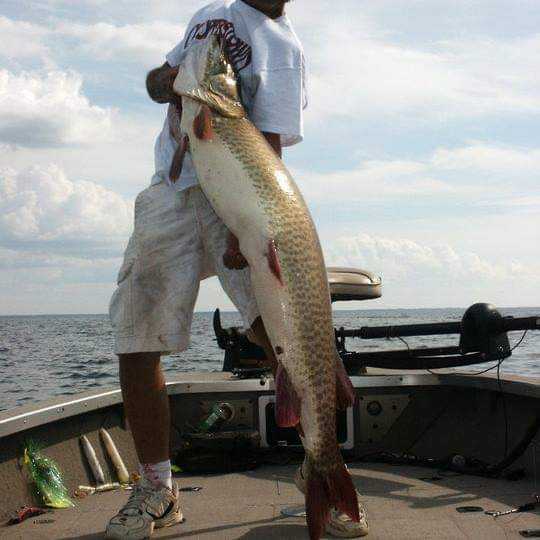
- Lake Minnetonka private fishing trips


Summary
Explore northern pike fishing on a guided fishing charter at Lake Minnetonka near Minneapolis with Captain Dave Gausman of Old School Fishing Guide Service. Monday, September is prime time to target these aggressive predators in Minnesota's premier fishing destination.
Fishing Charter with Dave Gausman - Rates & Booking
Captain Dave Gausman of Old School Fishing Guide Service offers guided fishing charters on Lake Minnetonka near Minneapolis. For current rates, availability, and booking details for your northern pike fishing adventure, contact Old School Fishing Guide Service directly. Captain Gausman brings local expertise and knowledge of Lake Minnetonka's productive fishing grounds to ensure a successful outing targeting Minnesota's most aggressive freshwater species.
Highlights of Northern Pike Fishing with Captain Gausman
Lake Minnetonka is one of Minnesota's premier northern pike destinations, offering excellent opportunities to encounter trophy-sized fish in a well-maintained fishery. The lake's diverse structure including weed beds, drop-offs, and rocky points provides ideal habitat for aggressive pike hunting throughout the season. Fishing these waters with Captain Gausman means accessing proven locations where consistent pike action occurs, combined with professional guidance on tackle selection and presentation techniques.
The northern pike experience brings together the thrill of a hard-fighting freshwater predator with the scenic beauty of Minnesota's lake country. From the initial strike to the final moments bringing these powerful fish to the boat, every pike encounter delivers an adrenaline-filled moment. Captain Gausman's familiarity with seasonal patterns and fish behavior helps maximize your time on the water.
Local Species Insights: Northern Pike
Northern pike are apex predators in freshwater ecosystems, commanding respect for their aggressive feeding behavior and powerful attacks on prey. These fish are ambush hunters that utilize structure and weed coverage to position themselves where baitfish congregate. Understanding pike habitat preferences is key to successful fishing - they prefer shallow weedy areas, especially during early season and late fall, while moving to deeper structure during summer heat and winter cold.
Pike hunting strategy relies heavily on aggressive presentations that trigger predatory instincts. Live bait, large swimbaits, and dynamic lures that create vibration and contrast in the water column all work effectively because they mimic natural prey movements. Lake Minnetonka's productive pike population responds well to these approaches, particularly around transition areas where deep and shallow water meet.
The northern pike's physiology makes them incredibly efficient hunters - their elongated body allows explosive acceleration, while their toothy mouth and jaw structure enable them to seize and hold slippery prey. Catching pike requires patience, precision casting, and understanding how environmental factors like water temperature, light penetration, and wind direction influence daily feeding patterns. Captain Gausman's experience interpreting these conditions translates directly to better bite opportunities and more fish-in-hand moments.
Lake Minnetonka's northern pike population thrives due to excellent forage base, adequate recruitment from natural reproduction, and management practices that maintain healthy demographics. Fishing this lake during optimal seasons provides consistent opportunities to encounter quality fish, making it an ideal destination for anglers seeking authentic pike fishing experiences in the upper Midwest.
Fishing in Lake Minnetonka: Northern Pike
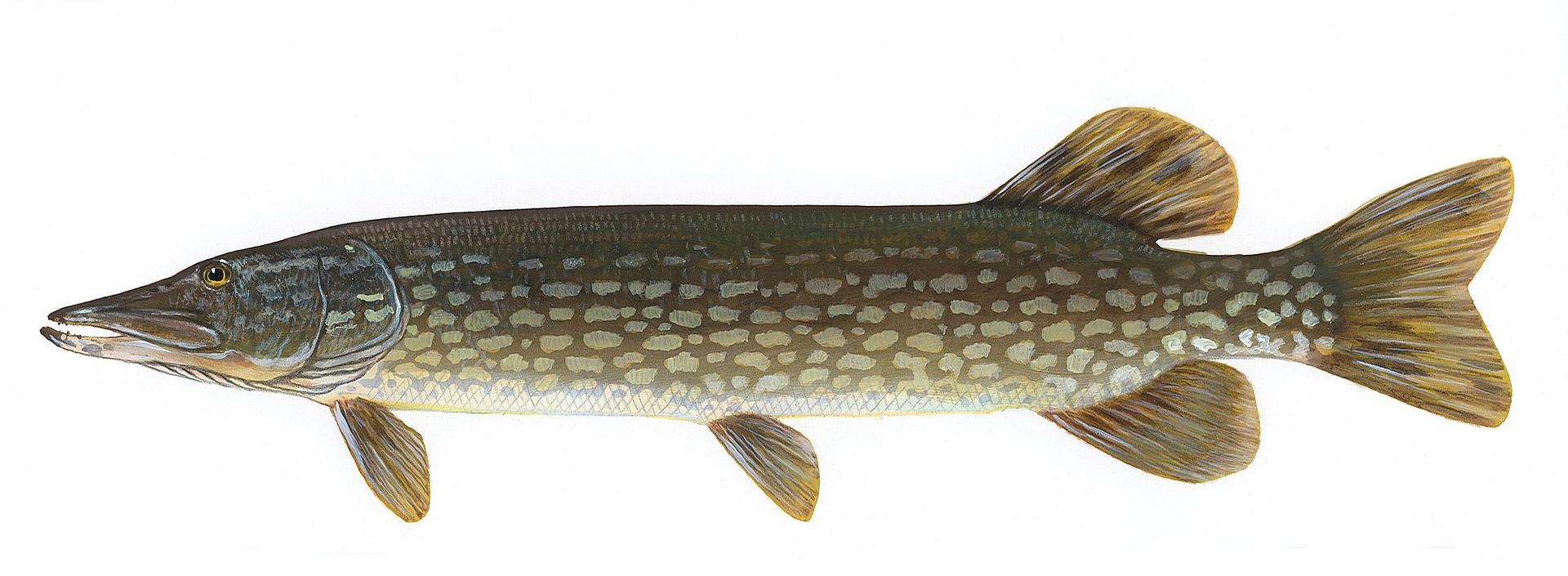
Northern Pike Overview
The Northern Pike (Esox lucius), belonging to the family Esocidae and order Esociformes, is one of North America's most prized freshwater gamefish. Known for their aggressive hunting prowess and distinctive appearance—featuring an elongated body with grey to greenish coloration punctuated by uneven rows of yellowish-white specks—these freshwater sharks have captivated anglers and outdoor enthusiasts for generations. With a temperament as fierce as their dagger-like teeth, Northern Pike are solitary predators that have earned a legendary reputation for being tough fighters. Whether you're casting lines in Minnesota's pristine lakes or exploring the northern reaches of the Great Lakes, encountering a Northern Pike is a thrilling reminder of nature's raw power and unpredictability.
Northern Pike Habitat and Distribution
Northern Pike are distributed throughout the northern half of North America, with particularly strong populations in the Great Lakes, northern New England, eastern New York, Minnesota, and the Ohio Valley. These fish extend as far north as Alaska and Canada, and can also be found in Nebraska and Missouri. They thrive in cool, shallow areas of streams, lakes, and rivers where they have excellent access to prey. During summer months when waters heat up, they migrate to deeper, cooler waters to maintain their preferred temperature range. The ideal habitat includes marshy areas abundant with aquatic vegetation, inlets, bays, and coves—prime hunting grounds where these predators ambush unsuspecting prey.
Northern Pike Size and Weight
The average Northern Pike measures around 2 feet in length and weighs approximately 34 pounds, though typical catches for anglers range from 16 to 29 inches with weights between 2 and 34 pounds. These fish display remarkable growth potential, with the largest pike ever caught in the U.S. reportedly measuring an impressive 4 feet 10 inches long. Individual specimens can vary considerably depending on habitat quality, food availability, and water conditions, making size expectations a thrilling unknown each time you cast your line.
Northern Pike Diet and Behavior
As an aggressive and indiscriminate hunter, the Northern Pike will consume virtually any prey item that enters its territory. Their diet consists primarily of other fish species including golden shiners, yellow perch, bluegills, and suckers—even smaller Northern Pike fall victim to cannibalistic hunting behavior. Larger specimens have been documented snatching small waterfowl, frogs, and rodents when these unfortunate creatures venture too close to the water's edge or swim on the surface. This voracious appetite makes them exceptionally easy to entice with various lures and baits. Northern Pike are known for playing with their food, a behavioral trait that requires patience from anglers; when you feel a strike, resist the urge to reel aggressively and instead maintain a steady, patient pace to ensure a solid hookset. These fish can lie motionless for extended periods, making them masterful ambush predators capable of sudden, high-energy bursts when pursuing prey or escaping danger.
Northern Pike Spawning and Seasonal Activity
Northern Pike follow a compressed spawning season occurring in March and April, a critical period when solitary and highly territorial adults abandon their regular areas to travel inshore or upstream to designated spawning grounds. Spawning typically occurs during daylight hours in shallow, quiet areas featuring vegetated bottoms that provide optimal conditions for egg protection. Once eggs are laid, adults provide no parental care, leaving the eggs to develop independently. Understanding this seasonal movement is invaluable for anglers, as pre-spawn and post-spawn periods offer exceptional fishing opportunities when fish are actively feeding to build energy reserves or recover from reproductive exertion.
Northern Pike Techniques for Observation and Capture
Rod and Reel Setup: Successfully catching Northern Pike requires proper equipment designed to handle their aggressive strikes and powerful runs. A 7-foot medium-action rod paired with a reliable spinning reel featuring a drag system rated for at least 15 pounds of pressure provides an ideal foundation. Equip your setup with 15 to 20-pound braided line at minimum—the durability of braided line significantly reduces the risk of the pike's razor-sharp teeth severing standard monofilament. This combination gives you the strength and sensitivity needed to detect takes and maintain control during the fight.
Lure Selection and Retrieval: Leverage the Northern Pike's voracious feeding behavior by deploying soft plastic swim-baits, inline spinners, and spoons that mimic natural prey. The key to success lies in your retrieval technique: maintain a slow, consistent speed that makes your lure resemble an injured or struggling fish. This wounded-prey presentation triggers predatory instincts and draws strikes from aggressive pike. Remember that these fish often play with their catches, so when you feel that initial tug, resist rapid reeling and instead maintain steady pressure while waiting for the pike to commit fully to the strike.
Location Strategy: Target inlets, bays, coves, and drop-offs adjacent to shallow, marshy areas densely populated with aquatic weeds—these are the prime hunting territories where Northern Pike stage to ambush passing prey. In Minnesota and Great Lakes regions, focus on weed lines where deeper water meets shallow vegetation, as these transition zones concentrate both predator and prey. Early morning and late evening hours typically produce the most aggressive feeding activity, though pike will feed throughout the day during spring and fall when water temperatures are optimal.
Northern Pike Culinary and Utilization Notes
Northern Pike offer good odds for culinary purposes and are considered a quality food fish when properly prepared. The flesh is white, flaky, and relatively mild, though some anglers note it can contain numerous small bones requiring careful filleting technique or preparation methods like smoking that soften skeletal structures. Pike support sustainable fishing practices across North America, and harvesting these abundant predators can actually benefit ecosystem balance by controlling their populations. Nutritionally, pike provide excellent protein and omega-3 fatty acids, making them a worthwhile addition to outdoor cuisine when you've earned your catch after an exciting day on the water.
Northern Pike Frequently Asked Questions
Q: What is the best bait or lure for catching Northern Pike?
A: Northern Pike respond exceptionally well to soft plastic swim-baits, inline spinners, and spoons retrieved at a slow, consistent pace that mimics injured baitfish. Their aggressive nature means they're not particularly selective—the key is presentation speed and a wounded-prey appearance rather than specific lure color or brand.
Q: Where can I find Northern Pike in Minnesota and the Great Lakes?
A: Northern Pike thrive throughout Minnesota's lakes and the Great Lakes region, particularly in shallow, vegetated areas. Focus your efforts on weed lines, marshy inlets, and coves adjacent to deeper drop-offs. Spring and fall offer peak fishing conditions when water temperatures encourage aggressive feeding behavior.
Q: How do I handle a hooked Northern Pike safely?
A: Exercise extreme caution around a pike's mouth—its dagger-like teeth can inflict serious wounds. Keep your hands away from the mouth, use a net or landing tool, and consider wearing gloves when handling these fish. A pike's thrashing and aggressive nature demands respect and careful boat positioning.
Q: When is the best time to catch Northern Pike?
A: Spring (April-May) and fall (September-October) offer excellent odds as water temperatures encourage aggressive feeding. Summer fishing requires targeting deeper, cooler water. Early morning and late evening hours typically produce the most consistent activity, though pike will feed throughout the day during optimal temperature windows.
Q: What rod and reel specifications do I need for Northern Pike?
A: Use a 7-foot medium-action rod with a spinning reel featuring a 15-pound minimum drag capacity. Spool with 15 to 20-pound braided line to resist the pike's sharp teeth. This setup provides adequate power for fighting these strong swimmers while maintaining sufficient sensitivity to detect strikes.
Q: Is Northern Pike good to eat?
A: Yes, Northern Pike offer good eating quality with white, flaky, mild-flavored flesh. They do contain numerous small bones, so careful filleting or preparation methods like smoking that soften skeletal structures work best. Pike support sustainable harvest and provide excellent nutrition with good protein and omega-3 content.